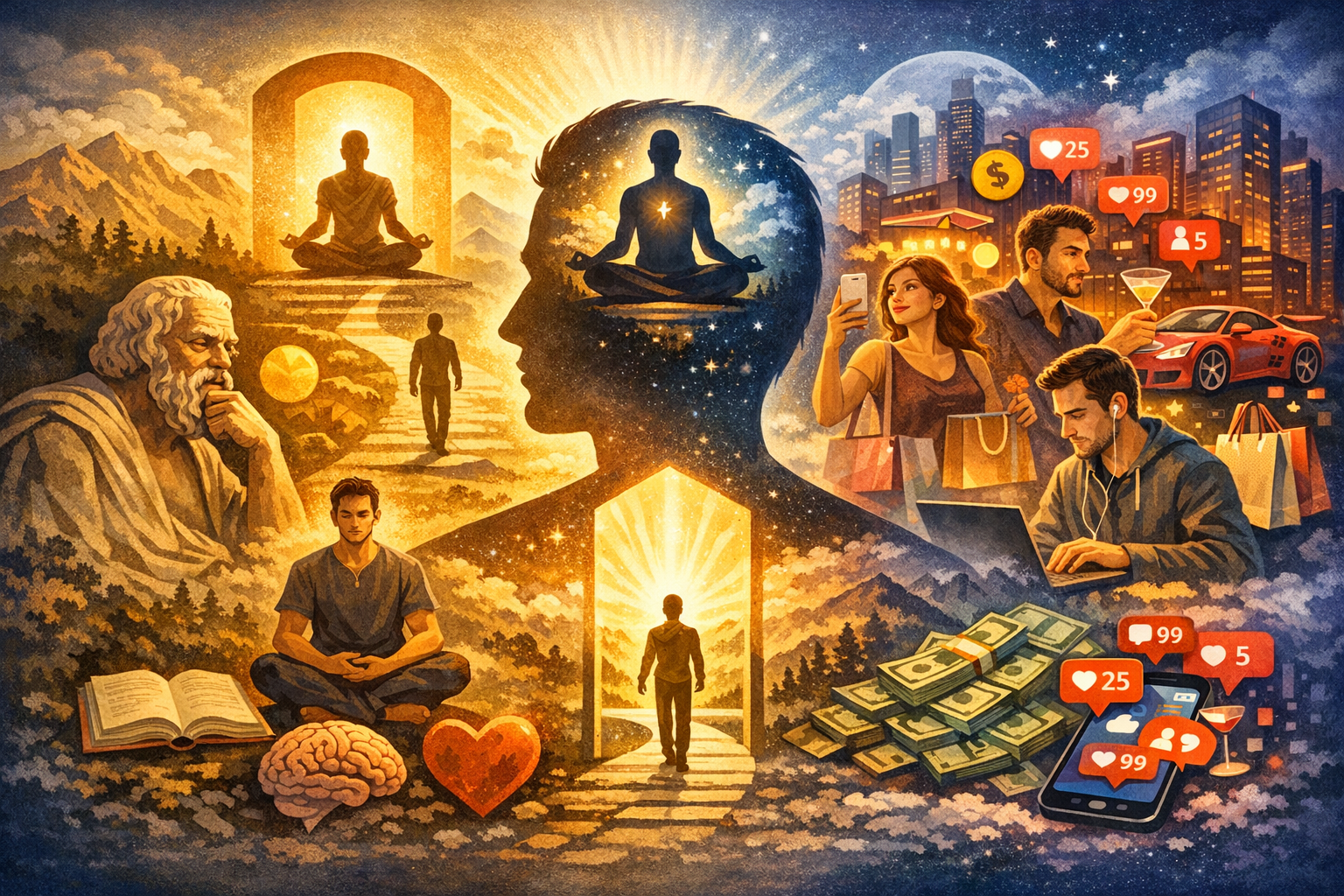

We all like to think we are good people who always do the things that are morally correct and ethical right. But sometimes, even nice people lie, cheat, or hurt others. Everyone has two sides inside: a gentle, caring side that calms us, and a darker, impulsive side that can disrupt our peace. This dark side is not evil, but it is a natural part of us. It includes strong instincts, hidden fears, unmet needs, sudden urges, and feelings we often keep secret. When these feelings take over, we sometimes act in ways that go against our values. In this article, we will examine the psychological aspect of why good people do bad things in life.
Here is why this happens:
1. The Primitive Brain Is Still with Us
Even though we live in a modern world, our brains are still wired like those of our ancestors. We are hunter-gatherers, living in modern age. We still have stone-age brain. This very primitive brain seeks things like immediate pleasure, power, comfort, survival, and sometimes revenge when we feel hurt. This part of us does not think about right or wrong or what might happen later. It just wants to feel better right away. So, when we feel stressed, angry, lonely, jealous, ignored, or afraid, this primitive part gets stronger, and our thoughtful side gets quieter.
2. Shadow Psychology: The Parts of 'Me' That We Hide
Carl Jung called this the "Shadow," the part of our mind where we hide desires, insecurities, and impulses we think are unacceptable. Everyone has a shadow that can include envy, anger, greed, selfishness, wanting attention, secret fantasies, and habits we feel ashamed of. When we ignore or push down our shadow, it often grows stronger and shows up as behavior we do not want.
3. When Emotions Become Stronger Than Morals
In moments of strong emotion like anger, guilt, shame, attraction, or fear, our emotional brain can take over our rational thinking. For a short time, our logical thinking disappears and only the urge is left. We might do things we know are wrong. Later, when our emotions settle, our thinking returns and we feel regret. This is a normal part of being human.
4. Morality Requires Energy, Impulse Requires None
Doing the right thing takes self-control, patience, awareness, and emotional stability. But doing the wrong thing often happens without thinking. That is why making a bad choice can feel easy in the moment. When we are tired, stressed, lonely, or overwhelmed, it is harder to do the right thing and easier to give in to impulses.
5. We Break Rules to Fill Emotional Gaps
Often, when we act impulsively or do something wrong, we are really trying to fill an emptiness inside. For example, we might:
- lie to avoid shame
- overspend to feel important
- gossip to feel powerful
- overeat to comfort ourselves
- flirt outside our relationships to feel valued
- anger outbursts → to feel in control
- unethical shortcuts → to feel successful
These actions can be harmful, but the pain behind them is something all humans feel.
6. The Beast Comes Out When We Do Not Face Our Wounds
Old wounds from childhood, betrayals, humiliations, failures, and the fear of not being enough can hurt us deeply. When these wounds are triggered, our inner beast comes out to protect us, often in ways that are awkward or harmful.
7. Guilt and Regret Show Our Goodness
If someone feels regret, shame, or guilt after making a mistake, it shows they still have a conscience, their values matter to them, and they want to improve. The problem is not the bad behavior alone. The deeper issue is understanding why it happened.
How to Manage the Dark Side
1. Name it. Admit to yourself that this part exists. Awareness weakens its power.
2. Understand triggers. When do you lose control? Stress, night-time, loneliness, anger, rejection, tiredness?
3. Strengthen your rational brain. Meditation, walking, deep breathing, and journaling can all help you regain control.
4. Heal the wounds: Therapy, self-reflection, and honest conversations.
5. Find healthier ways to meet your needs. If you want attention, try to connect with others in a real way. If you feel powerless, set small goals. If you feel unloved, work on building relationships. If you feel empty, look for meaning in your life.
6. Practice self-compassion You cannot overcome your inner struggles by being hard on yourself. Instead, you calm them by listening to your pain with kindness.
Final Thought:
We all have a dark side, but it does not define who we are or make us unworthy.
Everyone has a dark side, but that does not make us bad people. We are complex. The goal is not to get rid of our inner struggles, but to understand and guide them so our actions match who we want to be.