
(Why We Do Things We Never Intended)
We often do things we never intended to do. We know what is right and what should be done, but we often 'commit' a blunder by failing to do what we were supposed to. In those moments, we slip, give in, and later realize, "Why did I do that?" This happens to all of us. It is not a weakness, but a sign of how human our mind works. Our thoughts, feelings, and impulses pull us in conflicting directions, and before we realize it, our actions do not match our intentions. Understanding why this happens helps us be kinder to ourselves and learn how to take back control.
To understand why we act against our intentions, let us start with how our minds work. Modern psychology explains that we have two systems in our mind that work together:
System 1 – Emotional Brain
- Fast, impulsive, reward-seeking
- Wants instant pleasure
- Hates discomfort
- Gets activated by cravings, stress, fear, and temptation
System 2 – Thinking Brain
- Slow, logical, disciplined
- Wants long-term encouraging results and outcomes
- Knows what is right
- Helps us plan, resist, and make healthy choices
Most of the time, we struggle because System 1 takes over in the moment, even though System 2 understands what we really want.
2. The Battle Between Desire and Values
We often want to stick to our values, ethics, and truthfulness, but a desire, emotion, or urge appears. The urge is immediate, while our value system is long-term. Psychology calls this the Value–Action Gap. It means: "I know what I should do, but I cannot always do it."
3. Why Resistance Breaks Down
Even though first you try hard to resist, your emotional brain has three strong ways to break down your willpower:
A. Emotional Fatigue
Resisting takes mental energy. After some time, our brain gets tired and gives up.
B. Instant Relief Mechanism
When the brain is stressed, it chooses the option that provides instant relief, even if it is harmful in the long term.
C. Dopamine Reward Loop
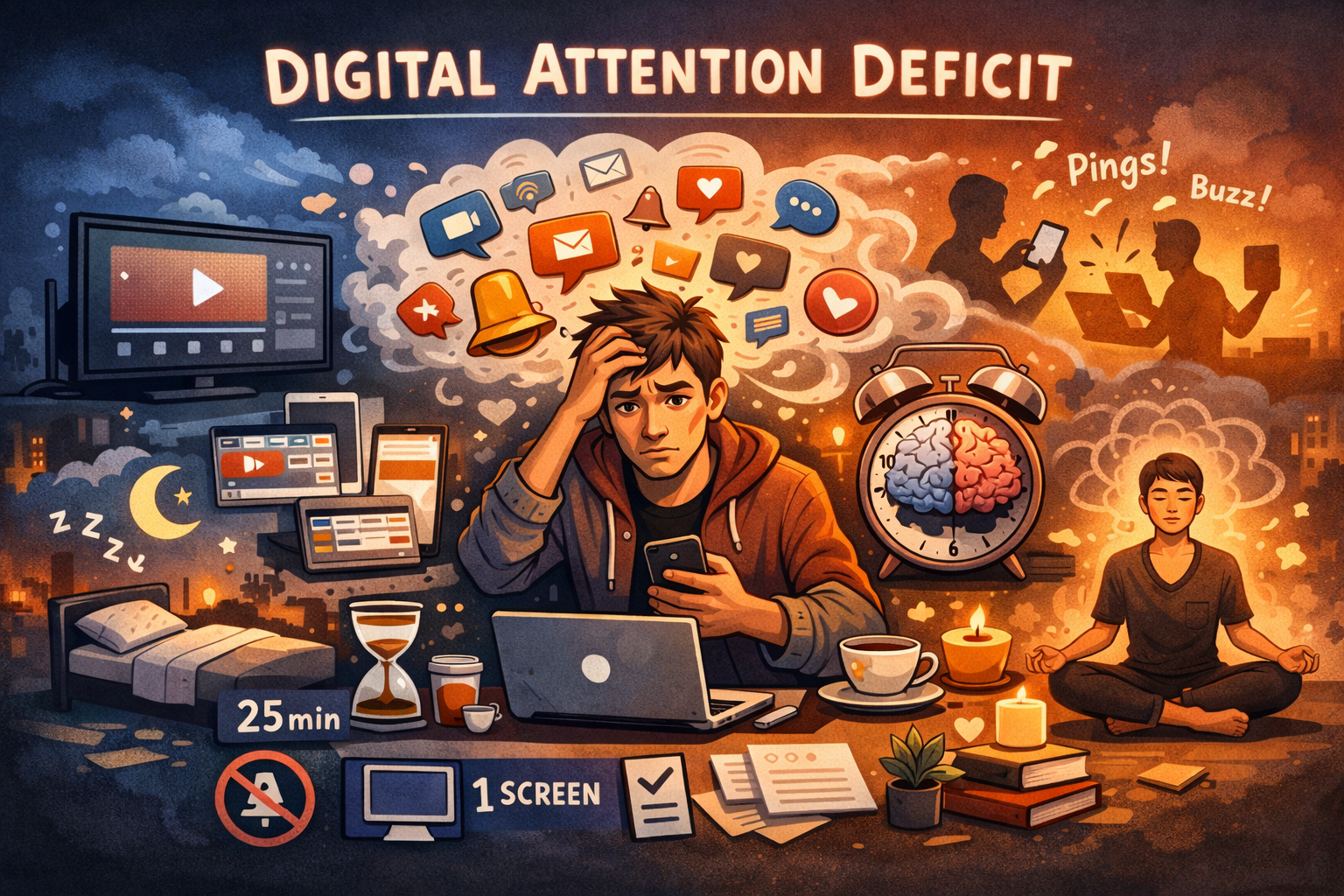
Pleasurable activities such as fast, tasty food and scrolling on mobile devices are impulsive choices that trigger the release of dopamine, a powerful short-term stimulant. That is why people say, "Why did I say that?" or "Why did I eat that?" At that moment, dopamine overwhelmed logic, and reasoning.
4. The Role of Stress, Mental Fatigue, and Loneliness
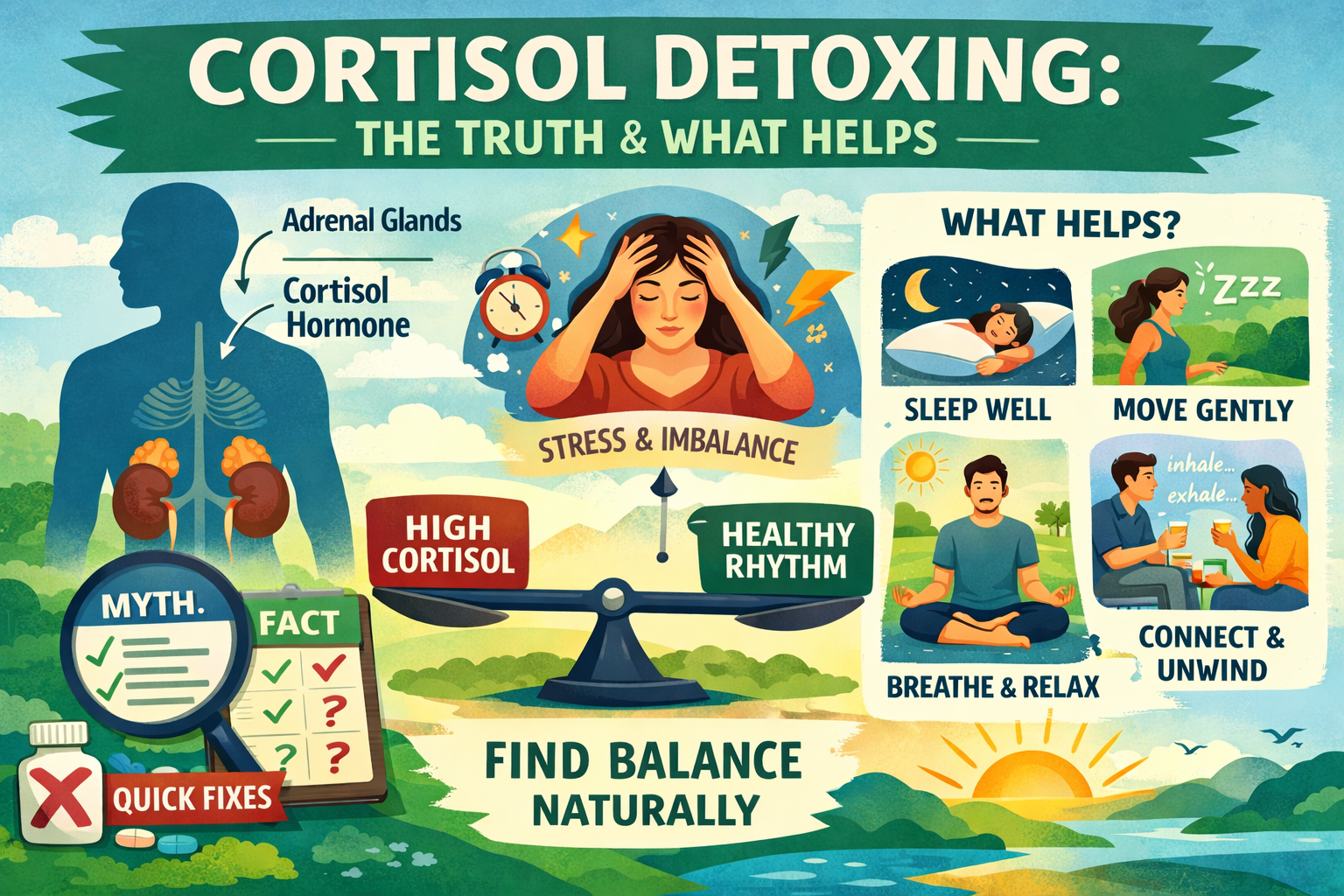
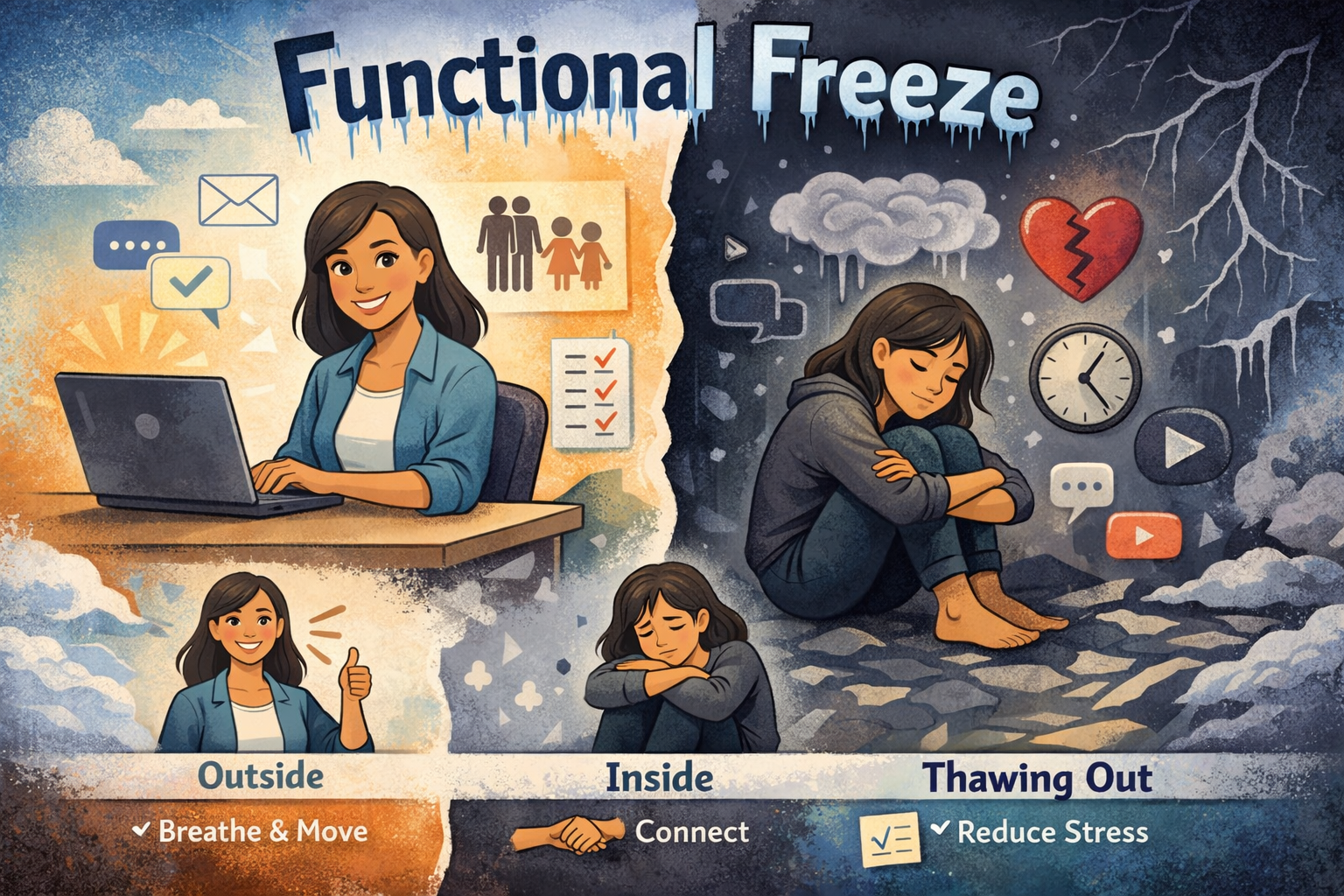
A tired or stressed brain is easily prone to losing self-control. When we are exhausted, hungry, lonely, or emotionally upset, the emotional brain takes over quickly. This is why many "wrong decisions" are made late at night or under stress.
5. The "Forbidden Fruit" Effect
When you tell your mind, "I must not do this." Your emotional brain hears: "This is important… this is tempting." So, resistance actually increases the urge. This is a well-known psychological phenomenon called reactance.
6. The Identity Gap
Wanting to Be One Person, Acting Like Another. Every person lives between two identities: the Ideal Self, who I want to be: disciplined, calm, healthy, and ethical. Current Self: Who I am under stress, temptation, or pressure. When the gap is large, conflict increases, and we judge ourselves for mistakes instead of understanding the emotional forces behind them.
After such moments, you might wonder: why do we often regret our choices??
Regret comes from the logical brain, which was temporarily inactive during the impulse. It shows you have values and self-awareness; regret is feedback, not failure: "Your emotional brain won this time. Learn, and prepare better next time."
With this understanding, let us shift to practical strategies that can help limit these mistakes:
2. Replace "don't do this" with "do this instead"
When you catch yourself thinking about what to avoid, choose and plan a healthy alternative. Focusing on a positive action helps your mind redirect its energy productively.
3. Control your environment
Proactively remove temptations from your immediate environment. For example, keep unhealthy snacks out of reach or set your phone aside during work. This reduces the chances of your emotional brain taking over.
4. Practice self-compassion
If you slip up, treat yourself with understanding instead of harshness. A compassionate response helps you recover faster and encourages more resilient habits in the future.
5. Write down your insight and deeper reason
When facing temptation, read your personal note about why this goal matters. Reminding yourself of your deeper motivation strengthens your resolve in difficult moments.
To conclude
Humans are not perfect—we are meant to learn and grow. Acting against one's intention is not weakness; it just means the emotional brain acted faster than the logical brain. Understanding this is the first step to control our impulsive and emotional brain.