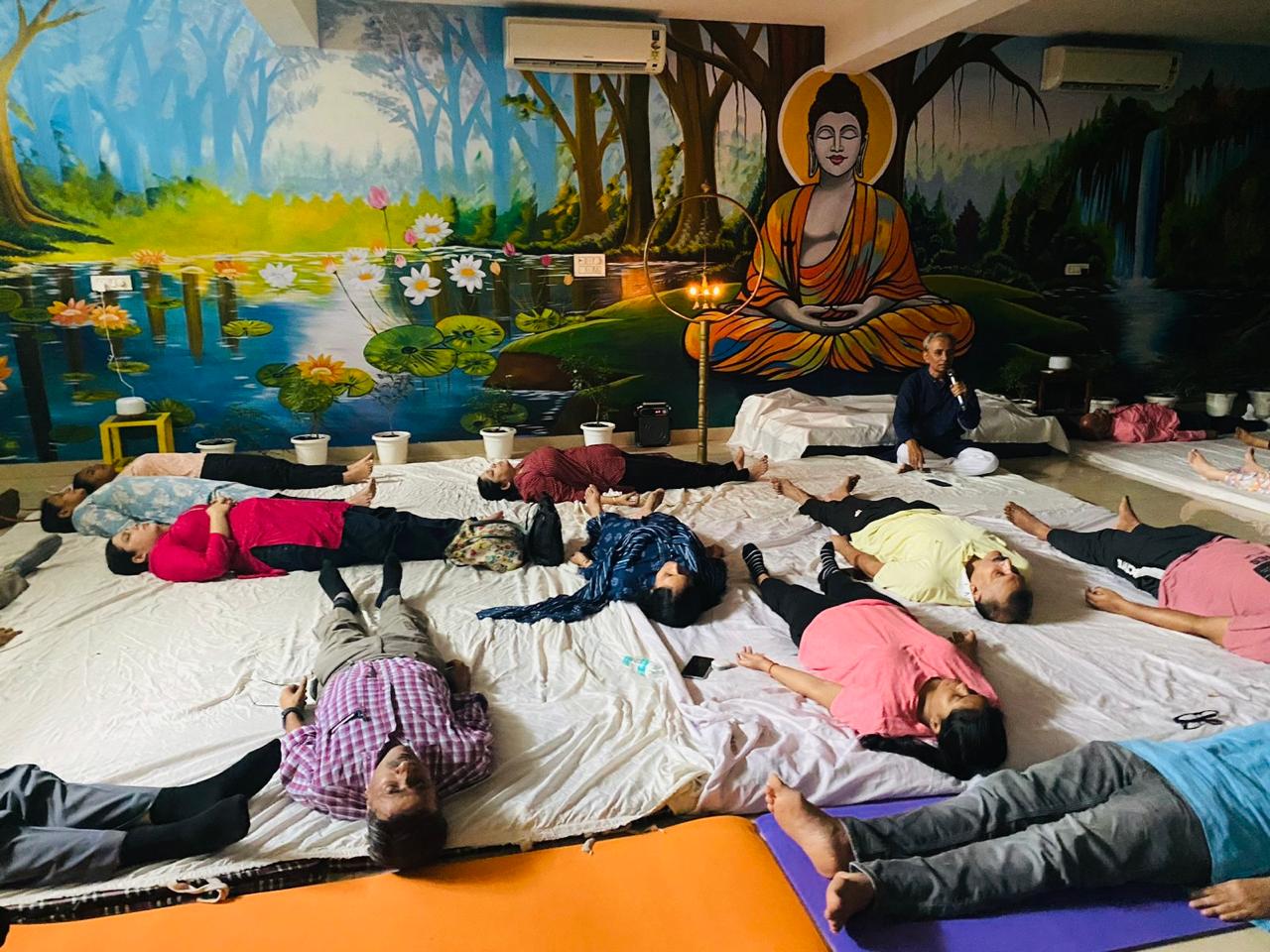

The Noise of the Modern Mind
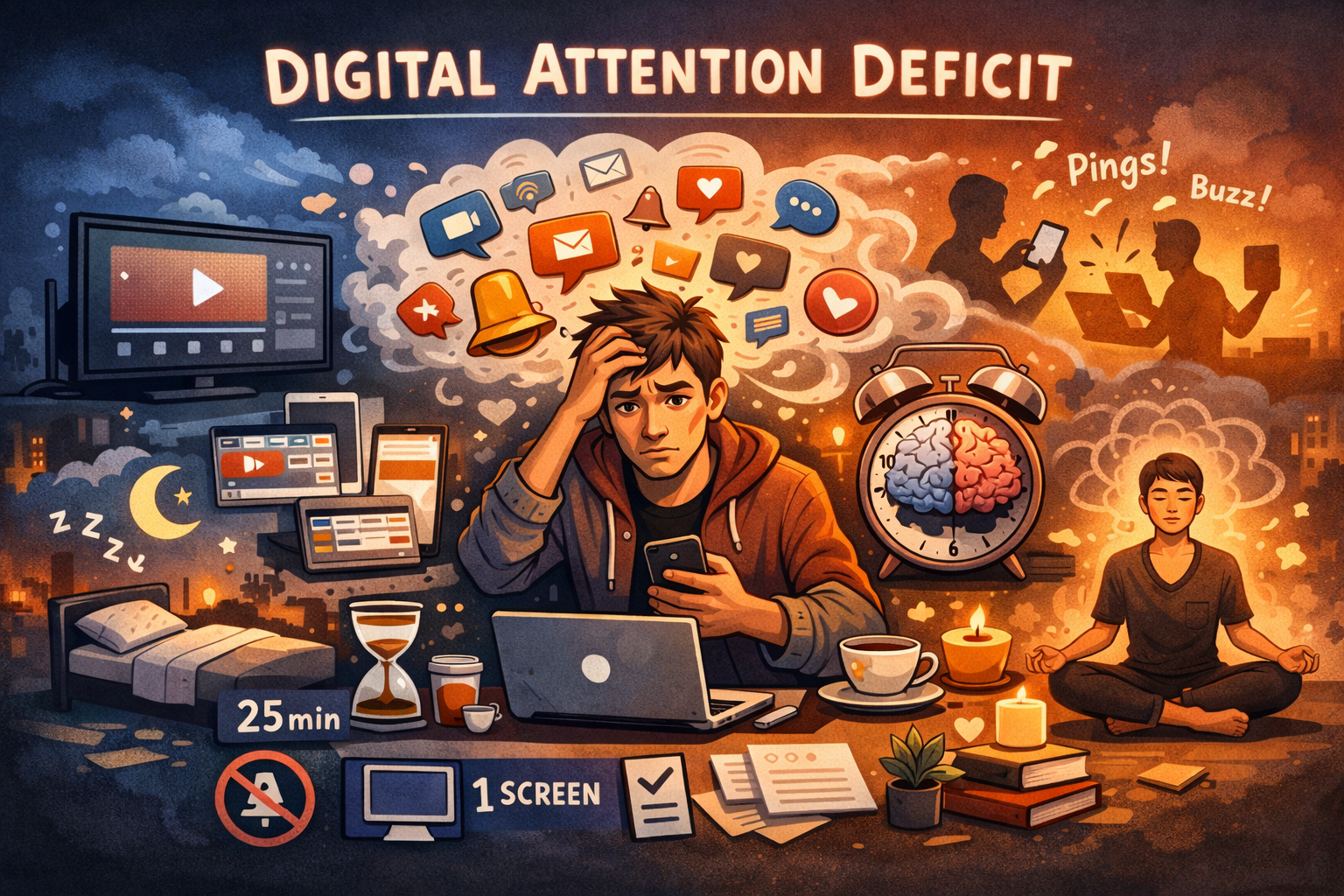
We live in a time of constant motion. Every moment distracts our attention, leaving our minds filled with noise. We look for calm in quick fixes like digital detoxes, wellness trends, or weekend retreats. But as soon as we return to our routines, the noise returns too.
That is why mindfulness is often mistaken for another modern trend, something fashionable to practice for a few minutes each day. But in truth, mindfulness is not about novelty. It is about coming home.
Jon Kabat-Zinn, who started Mindfulness-Based Stress Reduction (MBSR), says, "Mindfulness is simply being aware of what is happening right now without wishing it were different." Mindfulness is not about escaping the world. It is about waking up to it.
From Ancient Wisdom to Modern Science
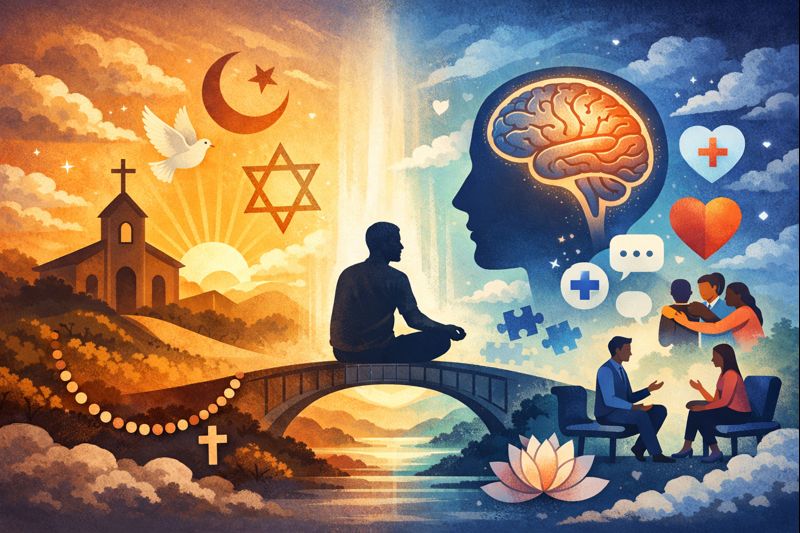
Mindfulness may be popular now, but its roots go back thousands of years. Ancient Buddhist texts called mindfulness 'sati,' meaning present-moment awareness. Over time, psychology, neuroscience, and medicine have adapted it as a tool for healing and balance.
A Harvard University study (Lazar et al., 2011) found that regular mindfulness meditation increased grey matter in parts of the brain linked to memory, learning, and emotional control. Another study in JAMA Internal Medicine (2014) showed that just eight weeks of mindfulness practice reduced anxiety and improved sleep quality.
The science is clear. Mindfulness changes not only how we feel, but also how our brains function. It helps our minds return to a natural state of calm, alertness, and compassion.
Why We Mistake It for a Trend
Like many good things, mindfulness has been commercialized. Apps, journals, and retreats all promise instant calm. But real mindfulness is not about buying things. You do not need incense or meditation cushions. It is about paying attention and noticing how we relate to our thoughts, emotions, and the world around us.
In a society focused on constant activity, mindfulness invites us simply to be. This is what makes it different. It reminds us that our worth is not measured by how much we do, but by how present we are.
Psychologist Tara Brach puts it beautifully: "The boundary to what we can accept is the boundary to our freedom." When we stop running from our thoughts and start observing them, we find a freedom deeper than any external success.
The Healing Power of Awareness
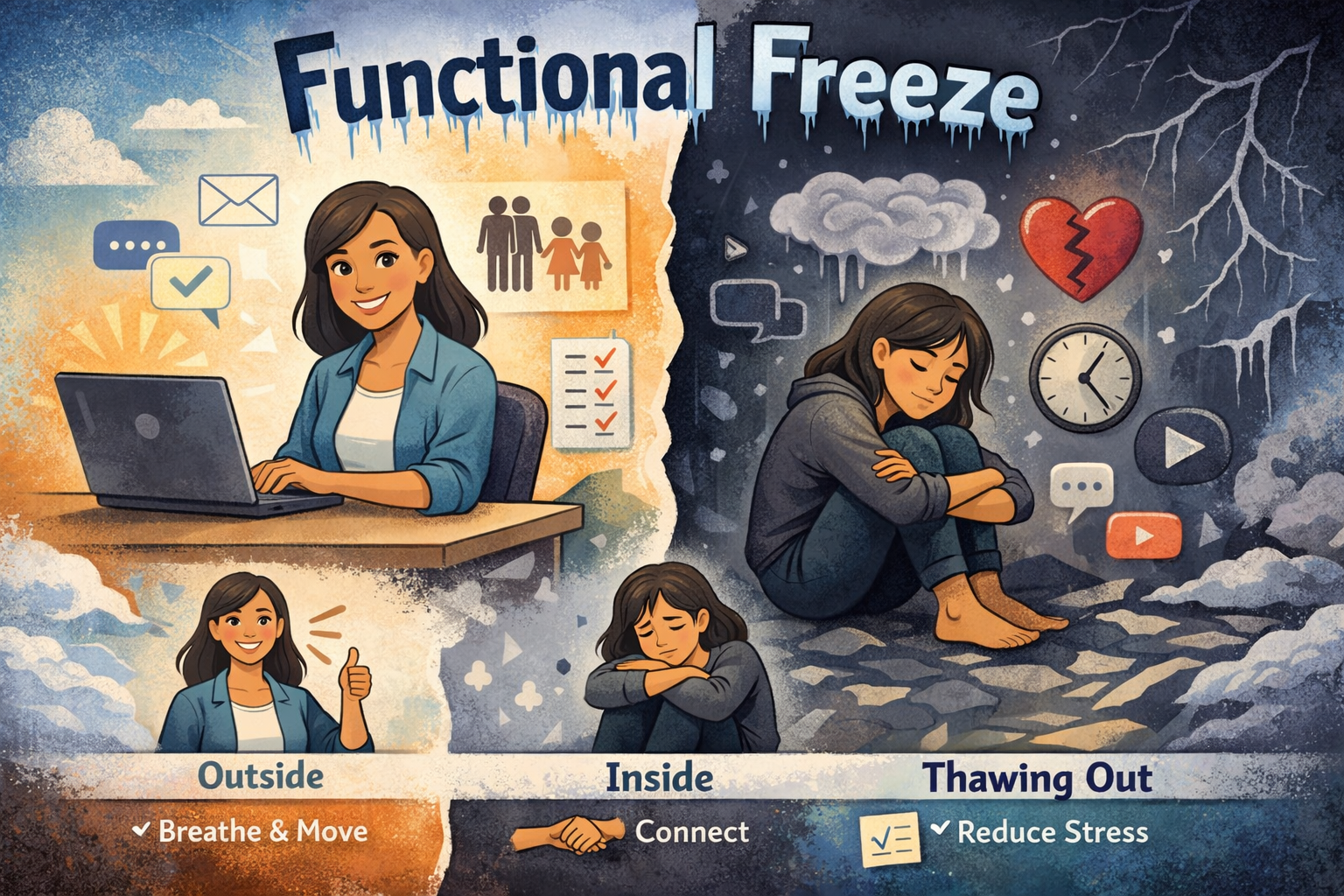
Most of our suffering does not come from what happens to us. It comes from how our minds react. Mindfulness helps us notice these reactions before they take over. When we are aware, anger does not quickly turn into harsh words, and anxiety does not spiral into panic.
Research from Frontiers in Human Neuroscience (2018) found that mindfulness strengthens the brain's prefrontal cortex, improving emotional regulation and reducing impulsive behavior. Another study by the American Psychological Association (2020) found that mindfulness interventions reduce stress and improve resilience, even in high-pressure environments such as hospitals and corporate offices.
In short, mindfulness does not make life easier. It makes us stronger, steadier, and kinder in how we face challenges.
Returning to Ourselves
The true meaning of mindfulness is not about being perfect. It is about being present in the moment at hand. Mindfulness teaches us to slow down and notice the warmth of sunlight, the taste of our food, or the rhythm of our breath. These small moments help us reconnect with what we often miss: the simple miracle of being alive.
When we practice mindfulness, we find ourselves beneath all the layers of busyness, fear, and expectation. Our calm was never truly lost. It was only hidden by the noise. "The present moment is filled with joy and happiness. If you are attentive, you will see it."
Everyday Mindfulness: Small Steps, Big Shifts
You do not need to meditate for hours to live mindfully. Start with small steps and make awareness part of your daily life:
-
Mindful Mornings: Before reaching for your phone, take a few deep breaths. Feel your body waking up.
-
Single-Tasking: When you eat, just eat. When you listen, truly listen. Give full attention to one thing at a time.
-
Pause During the Day: Between meetings or chores, stop for 30 seconds or a minute. Feel your breath.
-
Gratitude Moments: Notice one thing each day that made you smile. Presence grows with appreciation.
-
Digital Boundaries: Set aside time each evening without screens. Let your mind return to stillness.
Mindfulness is not about adding more to your life. It is about clearing away the clutter that hides what is already within you.
The Timeless Truth of Mindfulness
We often believe we are searching for peace, but peace is not something we find. It is something we remember. Mindfulness helps us see that peace has always been inside us, waiting for us to notice.
In an age of constant distraction, mindfulness is not rebellion. It is restoration. It is the gentle act of turning inward, of listening deeply to our own experience, and realizing that we already have what we are chasing.
Eckhart Tolle once said, "The past has no power over the present moment." Mindfulness brings us back to that power—the now.
Closing Thought
Mindfulness is not a passing trend; it is the essence of being human. It is how we come home to ourselves when the world pulls us in every direction. In a world that values noise, mindfulness is a quiet revolution. It does not promise escape. Instead, it offers awareness. Through awareness, we find the calm, clarity, and compassion that have always belonged to us.
Let us see mindfulness not just as a habit, but as a way to live. In every moment of true presence, we remember who we really are.